
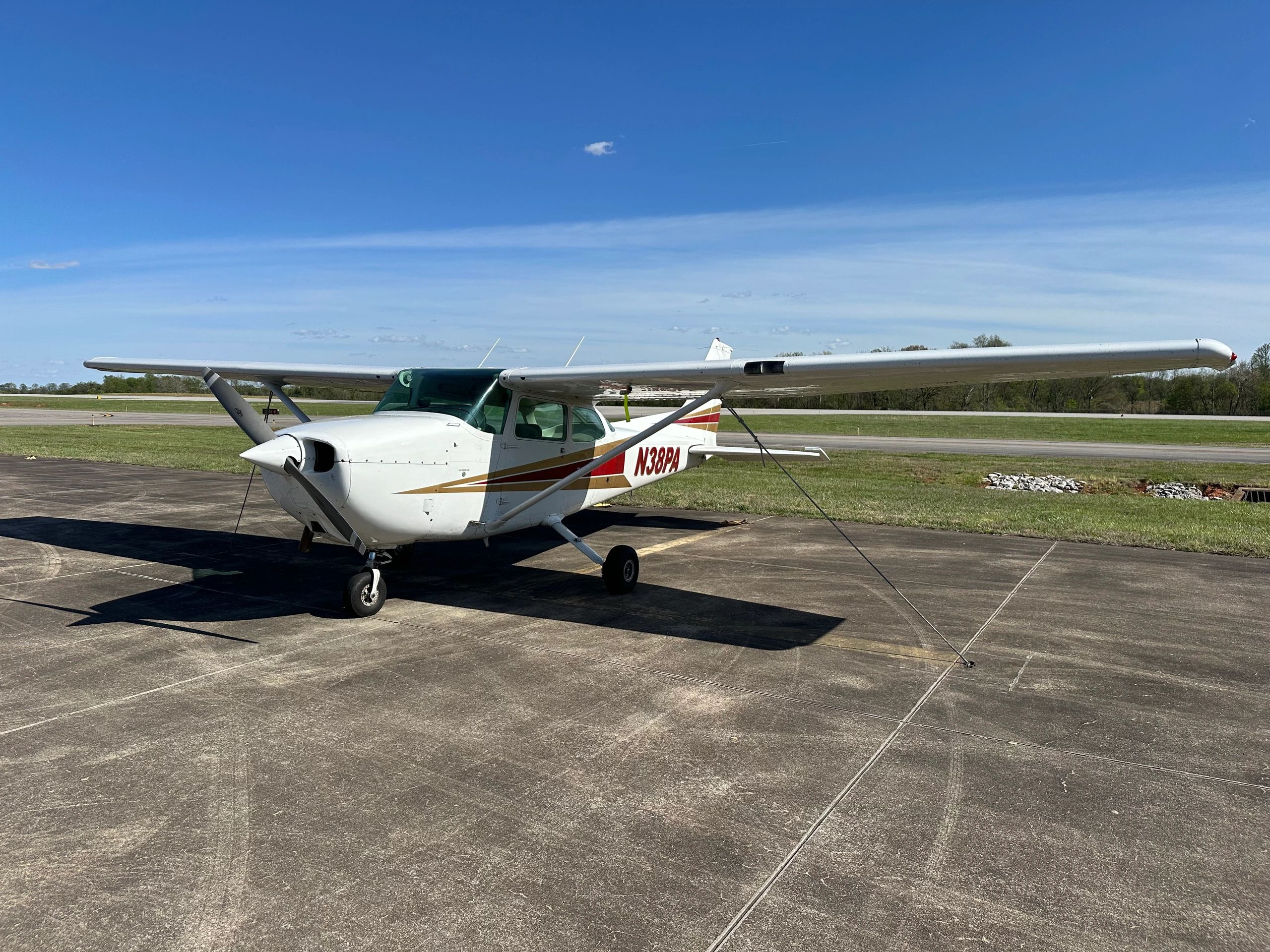
You look outside, see sunshine, and get a message that your flight is postponed. It is a reasonable moment to wonder what the pilot is seeing that you are not. The answer often has less to do with the view from your window and more to do with the complete flight.
The decision covers the route and the return
A departure airport is only one part of the picture. A pilot also needs to consider conditions along the route, at the destination, and during the expected return. A pleasant morning does not promise a pleasant afternoon.
Ask your instructor to show you the information behind a weather decision. Which report matters? What is forecast to change? What would need to improve? Those questions make a canceled flight a useful learning opportunity without turning it into an argument about going.
Clear skies can still come with difficult wind
Wind direction, gusts, and turbulence affect a flight even when there are few clouds. The same conditions can have different implications for different aircraft, pilots, and lesson goals.
A lesson intended to introduce a new landing skill may not accomplish much in conditions that demand skills the student has not developed. Ask how the weather fits the purpose of the lesson instead of asking only whether an airplane could take off.
Legal limits are only part of the decision
The FAA’s risk-management guidance encourages personal minimums that account for the pilot, aircraft, environment, and external pressures. A pilot can choose limits more conservative than the regulatory minimums.
Work with your instructor to write down limits that fit your current experience. Discuss how recent practice, fatigue, aircraft familiarity, and the availability of alternatives affect the decision. Revisit the plan as your proficiency changes; do not loosen it at the airport just because someone is waiting.
A reservation is not a reason to force the flight
A hotel booking, a passenger’s schedule, or the desire to finish a lesson can make postponing feel expensive. The FAA identifies external pressure as a risk-management concern. Having another way home helps keep that pressure from choosing for you.
For a training exercise, describe the same flight twice: once with a flexible schedule, and once with a must-attend event at the destination. The weather is identical. Notice whether the second story makes you more willing to accept it, then discuss that reaction with your instructor.
Make a useful backup plan
If flying is postponed, ask about a weather briefing lesson, route-planning discussion, or review of the next flight’s objectives. Confirm whether a ground session is available and how it is billed.
A good outcome is a decision you understand and a clear next step. Some days that means a flight. Other days it means learning why staying on the ground was the right call.
Official references
School prices and offerings reflect the published information at the date above. Confirm current rates and your individual training needs with Hangar One.
Ready to make a plan?
Have a question you want to work through in the airplane or on the ground? Tell us what you would like to learn at KHVC.
Talk flying with Hangar One