
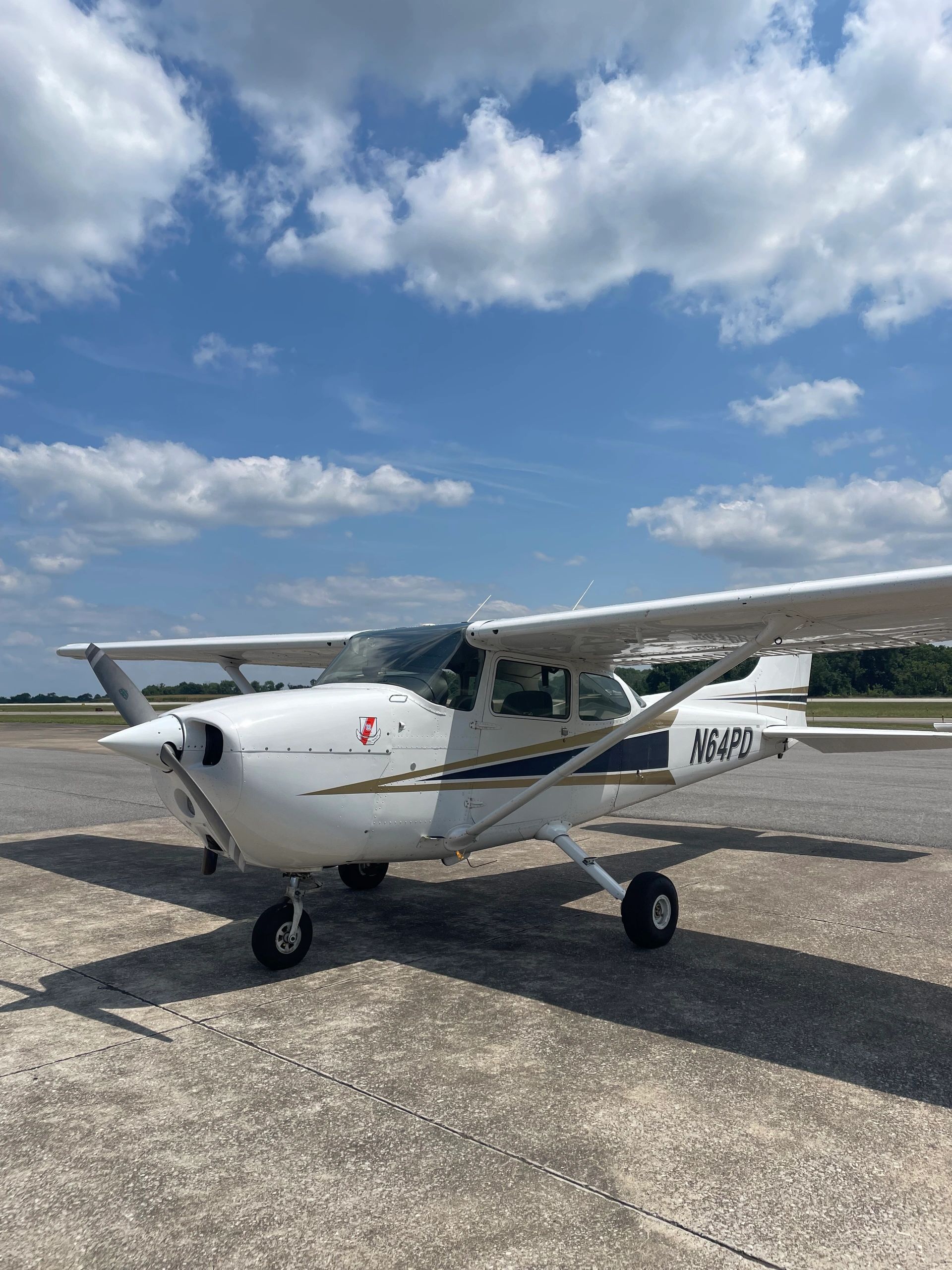
The first surprise might be how close everything is. The pilot is beside you, the windshield is right there, and the airplane feels very different from an airline cabin. Knowing a few things before you climb aboard can make the whole experience more relaxed.
Ask the ordinary questions first
Where should you park? What should you wear? Can you bring a bag? Those are useful questions, even if they do not sound especially aviation-related. Confirm the meeting place and ask the pilot what belongs in the airplane.
Share any concern about motion sickness or being nervous before departure. You do not need to pretend you are comfortable. A short conversation on the ground gives the pilot a chance to explain the plan and discuss whether a shorter flight would be a better introduction.
A small airplane has a specific loading plan
Give the pilot accurate passenger and baggage weights when requested. Seating and baggage placement affect the airplane’s weight and balance; an empty seat does not automatically mean another person can come along.
Keep the packing simple and let the pilot decide where items go. Ask before moving a bag or changing seats. Loose belongings should be secured so they cannot interfere with the controls.
Make sure the briefing makes sense to you
Before departure, ask the pilot to demonstrate your belt or harness and the door or exit you would use. Know what you can touch, what you should leave alone, and how to get the pilot’s attention through the headset.
A useful briefing also explains when conversation needs to pause. Taxiing, takeoff, landing, and radio calls may require the pilot’s full attention. You can help by saving a sightseeing question for a quieter moment.
- Practice the headset and microphone while parked.
- Ask how to signal discomfort promptly.
- Keep feet, hands, cameras, and bags clear of flight controls.
- Follow the pilot’s instructions around the airplane and propeller.
You do not have to understand every sound
An engine-power change or a turn may feel unfamiliar simply because you have never experienced it from this seat. Ask for a simple explanation before the flight of the sounds and sensations you are likely to notice.
If you stop enjoying the ride, say so early. The point of a first flight is to have a comfortable introduction, not to prove you can tolerate something. Back on the ground, ask the questions you saved and decide whether you want another ride or a lesson.
Official references
School prices and offerings reflect the published information at the date above. Confirm current rates and your individual training needs with Hangar One.
Ready to make a plan?
Have a question you want to work through in the airplane or on the ground? Tell us what you would like to learn at KHVC.
Talk flying with Hangar One