
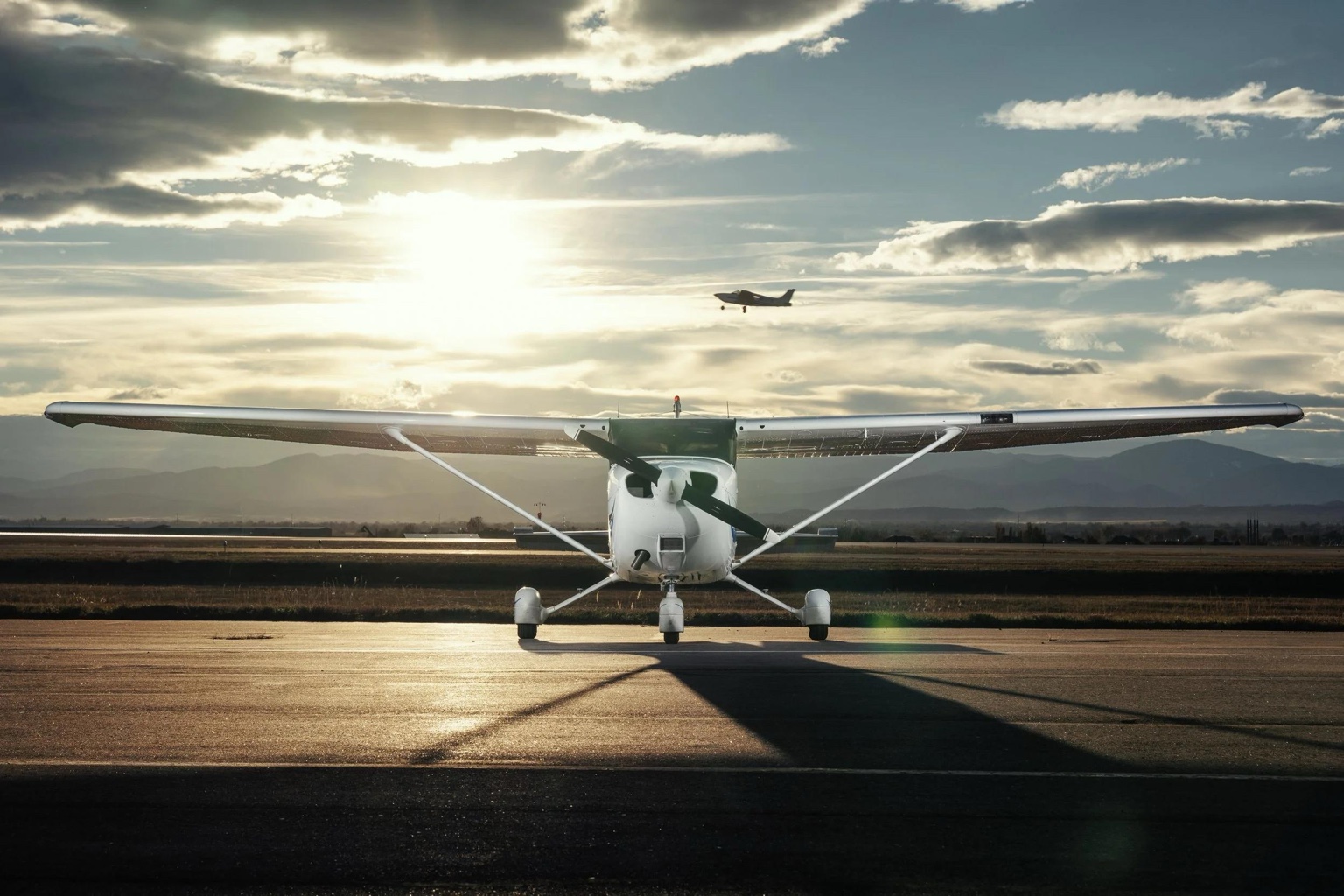
The view after sunset can be memorable, but night flying is more than a daytime flight with the lights switched on. Familiar landmarks can disappear, the horizon can be harder to distinguish, and a runway may look different from what you expected.
The outside picture gives you fewer clues
The FAA’s night-operations guidance discusses reduced visual cues and visual illusions. A bright runway surrounded by darkness can make judging an approach harder. Looking toward a light does not necessarily give you the same reliable reference you had during daylight.
Before a night lesson, ask your instructor which visual references may be missing and how the lesson will address them. Describe what you see rather than assuming a familiar-looking picture means the airplane is in the expected position.
Find the little things before the cockpit gets dark
Review aircraft lighting, a suitable flashlight, and the location of items you will need. Bright light can interfere with dark adaptation, so cockpit lighting deserves deliberate attention.
A useful ground exercise is to sit in the parked airplane with your instructor and locate the checklist, light controls, and essential equipment. Make the cockpit organized before engine start. Looking for a dropped item is a poor use of attention in flight.
Plan for more than the view
Darkness can make terrain, weather, and potential emergency landing areas harder to evaluate. Review the route, airport lighting, weather, and alternatives with your instructor before departure.
For a discussion exercise, compare a familiar daytime trip with the same trip after dark. Ask what you would have fewer opportunities to see, where you could land if the destination became unavailable, and which circumstances would make you postpone. The exercise is about recognizing changed risks, not making a route acceptable through optimism.
Give the first night lesson a clear purpose
Tell your instructor whether you are curious about the experience, beginning required training, or returning after time away. Those starting points can call for different lessons. Ask which skills you should prepare and what conditions would lead to a change of plan.
Different rules use different time periods for night logging, required lights, and passenger currency. Have your instructor explain the applicable definitions and requirements for your flight rather than treating sunset as one universal cutoff.
After landing, write down one thing that felt different from daytime flying and one question to revisit. That turns an impressive view into a useful learning experience.
Official references
School prices and offerings reflect the published information at the date above. Confirm current rates and your individual training needs with Hangar One.
Ready to make a plan?
Have a question you want to work through in the airplane or on the ground? Tell us what you would like to learn at KHVC.
Talk flying with Hangar One